
Branded Event Displays That Get Noticed
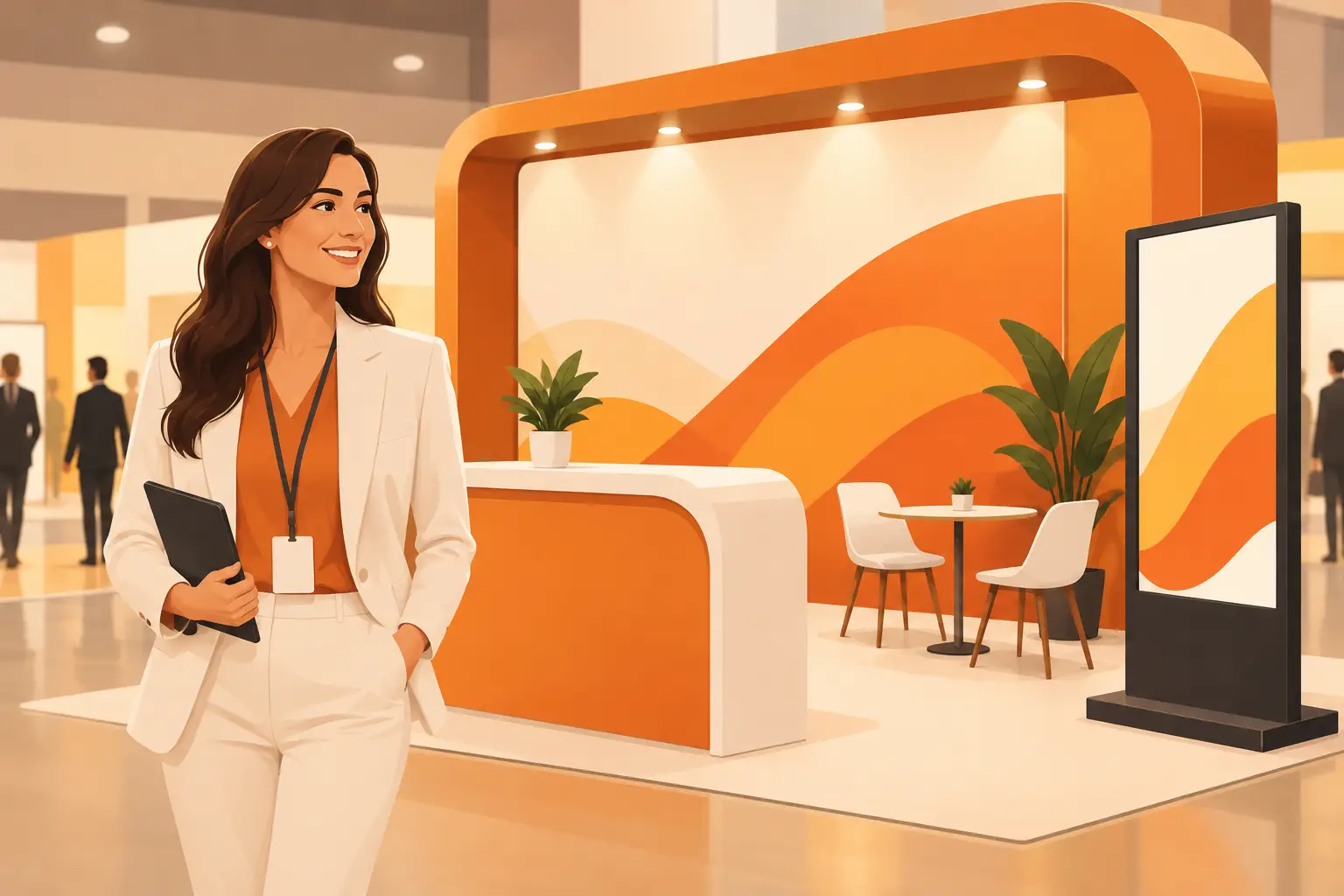
A crowded event floor gives visitors only a few seconds to understand who you are, what you offer, and where to look next. Branded event displays make those seconds count by turning a standard booth, retail pop-up, launch table, or hospitality area into a clear, polished brand experience.
The most effective displays do more than carry a logo. They organize products, guide attention, support conversations, and make the entire space feel intentional. Acrylic and plexiglass are especially useful for this work because they can add visual structure without making a display feel heavy or closed in.
What Makes Branded Event Displays Effective?
A well-made display should answer practical questions before a staff member has to ask them. What is the featured product? What does this brand stand for? Where should visitors stand, browse, or pick up information? The answers come from a combination of scale, placement, color, messaging, and material choices.
Clear acrylic often gives products and graphics room to stand out. It is a strong choice when the goal is a clean, modern presentation or when a booth needs display fixtures without visual clutter. Colored, frosted, or printed acrylic can create a bolder branded moment, particularly for logos, wayfinding signs, risers, and counter pieces.
The right approach depends on the event. A luxury product launch may call for minimal clear pedestals and dimensional logo signage. A busy trade show may need highly visible product stands, tabletop signs, literature holders, and a branded backdrop that can be understood from several feet away. For a pop-up, portability and fast setup may matter more than a large permanent-looking installation.
Start With the Visitor Journey
Before selecting display pieces, think through how guests will move through the space. This is where many otherwise attractive booths lose effectiveness. A display can look impressive in a rendering yet fail when products are hard to reach or key messaging faces the wrong direction.
Begin at the aisle. Your most recognizable visual element should be visible from the approach, whether that is a logo sign, a large product image, a distinctive color block, or a dimensional branded fixture. Once visitors step into the space, the next display should make the main offer easy to understand.
From there, give people a reason to stay. Product risers can create hierarchy, especially when several items share a tabletop. Acrylic sign holders can explain features, prices, or use cases without hiding the merchandise. A compact branded counter can give staff a natural place to demonstrate products, collect leads, or start a conversation.
Avoid trying to show every product at once. A crowded table makes individual items less memorable and can make a brand appear unprepared. Use elevation, open space, and clearly separated zones to establish a focal point. Often, a smaller number of well-presented products will make a stronger impression than a full catalog arranged edge to edge.
Choose Acrylic for Function, Not Just Appearance
Acrylic is known for its clean appearance, but its real value in event settings is versatility. It can be fabricated into logo signs, display cases, shelving, product stands, risers, brochure holders, tabletop barriers, and custom shapes tailored to a campaign or product line.
Clear acrylic works well when the merchandise is the visual priority. It supports the product without competing with it, which is useful for cosmetics, accessories, packaged goods, electronics, collectibles, and food displays. Frosted acrylic softens the view and adds privacy or contrast, while colored acrylic can reinforce a brand palette without requiring additional finishes.
Thickness matters. A slim sign panel may be appropriate for a lightweight tabletop message, while a freestanding logo or product pedestal needs material selected for its size, load, and intended use. Overspecifying material can add unnecessary weight and cost. Underspecifying it can affect stability and durability, particularly if the piece will travel to multiple events.
Acrylic also requires sensible planning. Its glossy surface can reflect overhead lighting, and clear pieces can show fingerprints under bright trade show lights. Proper lighting angles, thoughtful placement, and regular cleaning help preserve the crisp appearance that makes acrylic such a strong display material. When pieces will be frequently transported, protective packing and smart fixture design are just as important as the finished look.
Build a Consistent Display System
The strongest event environments feel coordinated rather than assembled from unrelated parts. That does not mean every surface needs a logo. It means the logo treatment, typography, colors, product presentation, and fixtures should all point to the same brand identity.
A useful system may include a primary logo sign, a set of matching product risers, small-format sign holders, and one or two functional pieces such as a display case or literature holder. Repeating a few visual decisions across these items creates consistency without overwhelming the space.
For example, a skincare brand might use frosted acrylic display blocks, crisp white product trays, and a colored logo panel. A technology company may prefer clear product stands with precise edges, black printed graphics, and illuminated logo elements. A home goods brand could use warm-toned acrylic accents alongside elevated product platforms that let visitors see texture and detail.
Consistency also helps after the event. When fixtures are designed as a system, individual components can often be reused for retail promotions, showroom displays, sales presentations, and future trade shows. That flexibility can make a custom display investment more practical than purchasing disposable event materials for each activation.
Plan for Setup, Shipping, and Reuse
A display has to work in the real conditions of an event hall, not only in a studio. Confirm booth dimensions, table sizes, electrical access, venue rules, and setup time before finalizing a design. A large freestanding piece may look excellent, but it may not be the best choice if it cannot be safely moved through the venue or assembled within the available window.
Modular pieces are often a practical answer. Smaller acrylic components can be packed, shipped, and arranged in more than one configuration. This is especially helpful for brands that exhibit in spaces of varying sizes. A set of risers, logo panels, and product displays can be adapted for a ten-foot booth, a retailer meeting, or a compact pop-up table.
Ask practical questions early: Will the display be handled by an event team or shipped to a venue? Does it need to break down? Will it hold heavy products? Does it need space for inventory, cables, or lighting? These details shape fabrication decisions and reduce costly last-minute changes.
For repeated use, durable construction and clear labeling are worthwhile. Protective sleeves, fitted cartons, and a simple setup guide help preserve the finish and make it easier for different teams to recreate the intended presentation. A display that arrives clean, organized, and ready to assemble supports a more confident event team.
When Custom Fabrication Makes the Difference
Catalog fixtures can be useful for straightforward needs, but custom fabrication becomes valuable when a display has to fit exact dimensions, carry a specific product, or express a brand in a distinctive way. A custom acrylic piece can accommodate an unusual product shape, integrate a dimensional logo, fit an existing counter, or create a branded product story that standard fixtures cannot.
The best custom projects begin with clear information: overall dimensions, product weight, brand colors, logo files, how the piece will be used, and whether it is a prototype or part of a larger production run. Even a rough sketch can help establish the direction. From there, fabrication decisions can be made around stability, material, finish, assembly, and budget.
Plastic Mart brings decades of American-made acrylic fabrication experience to projects ranging from one-off display pieces to repeatable branded programs. That matters when appearance and fit are equally important. A display should not only look right in photos. It should arrive ready for use, hold up under handling, and represent the quality of the brand behind it.
Make Every Surface Earn Its Place
Event space is expensive, and every fixture should have a job. If a display does not improve visibility, organize merchandise, communicate information, or create a better visitor experience, it may be taking up room that could be used more effectively.
Choose fewer pieces with clearer purposes, then have them fabricated with the quality your audience can see up close. The result is not simply a better-looking booth. It is a brand environment that makes visitors more likely to pause, understand what you offer, and remember you after the event ends.
You must be logged in to post a comment.